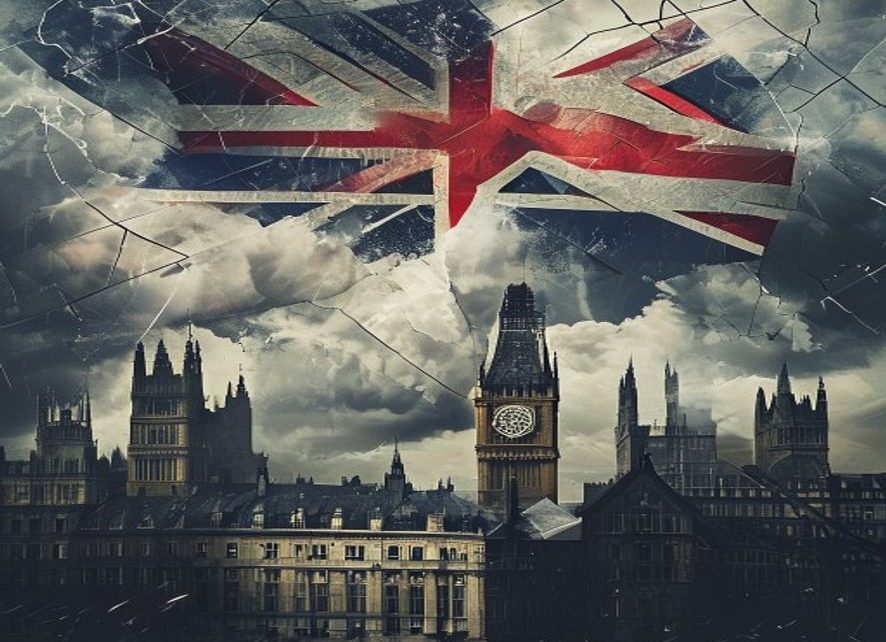
The recent resignation of a key figure within the UK Labour Party, widely interpreted as a scathing challenge to Keir Starmer’s leadership, is more than just a domestic political drama. This internal tremor within one of the world’s most established democracies sends discernible ripples across the international landscape, signaling heightened uncertainty at a crucial geopolitical juncture and underscoring a period of profound political instability that extends far beyond Britain’s shores.
A Crisis Within Labour, A Signal for the UK
Starmer’s Leadership Under Scrutiny
The departure of a prominent member from the shadow cabinet, accompanied by a sharply critical letter, has ignited a fierce debate over Keir Starmer’s authority and direction for the Labour Party. This isn’t merely a disagreement; it represents a significant challenge that could precipitate a leadership contest, fundamentally altering the trajectory of the party currently poised as the leading opposition. For a nation grappling with post-Brexit realities, economic headwinds, and a desire for stability, such high-stakes internal contention injects considerable uncertainty into its political future.
Impact on the UK Political Landscape
The immediate impact reverberates through Westminster, potentially distracting Labour from its primary role of scrutinizing the government and presenting a cohesive alternative. A party embroiled in internal strife, particularly one positioned to win the next general election, could face an erosion of public trust and present a less formidable challenge to the incumbent. This dynamic not only shapes domestic policy debates—from healthcare to economic strategy—but also projects an image of a nation grappling with its own internal coherence, at a time when global challenges demand decisive leadership.
Geopolitical Resonance: Britain’s Shifting Sands
Allies and Adversaries Take Note
Internal political instability in a G7 nation with a permanent seat on the UN Security Council is rarely an isolated event. Allies, particularly those within NATO and across Europe, closely monitor such developments for signs of shifts in foreign policy, defense commitments, and economic priorities. A weakened or internally divided UK leadership could be perceived as less reliable on the international stage, potentially affecting collaborative efforts on issues ranging from climate change to security threats. Adversaries, conversely, might view such turbulence as an opportunity, testing diplomatic resolve or exploiting perceived weaknesses.
Economic Uncertainty
Markets are inherently sensitive to political uncertainty. Speculation surrounding a leadership contest, or a change in the opposition’s direction, can lead to investor jitters, impacting currency valuations and foreign direct investment. Global businesses looking to invest in or partner with UK entities will be scrutinizing the political horizon for signs of stability and consistent policy, particularly in a post-Brexit era where the UK is actively forging new trade relationships and seeking to define its global economic role.
A Wider Canvas of Global Instability
The Era of Political Fragility
This UK development cannot be viewed in isolation. It feeds into a broader global narrative of political fragility and challenges to established leadership across major democracies. From the turbulent political landscape in the United States, where deep divisions continue to fuel uncertainty, to populist surges and coalition struggles across Europe, the world appears to be in a period where internal political skirmishes can have amplified effects. The UK’s situation is a microcosm of a larger trend where traditional political systems are being tested, and where the stability of governance in one nation can set precedents or spark similar challenges elsewhere.
Interconnected Destinies
The interconnectedness of global politics means that domestic tremors in key nations resonate widely. A perceived weakening of democratic institutions or an extended period of political infighting in a nation like the UK could embolden anti-democratic forces globally, or contribute to a narrative that democratic governance itself is struggling to deliver stability and effective leadership. The very fabric of international cooperation and the existing world order are subtly influenced by the internal health and stability of their constituent parts. The unfolding drama in Westminster is thus not just about the future of a political party; it is a barometer for the health of a major democracy and a contributing factor to the evolving global political climate.