A Microcosm of Global Health Challenges
The recent detection of hantavirus in US and French nationals following their departure from a cruise ship, prompting isolation and quarantine measures, serves as more than just a localized health update. While officials are keen to reassure the public that the ‘risk is low,’ this event illuminates the sophisticated, often invisible, architecture of global health surveillance and preparedness in an increasingly interconnected world.
It’s not merely about the individual cases, but what their swift identification and management tell us about our collective capacity to react to health threats, however rare or unexpected their appearance.
Hantavirus: A Rare Encounter, A Standardised Response
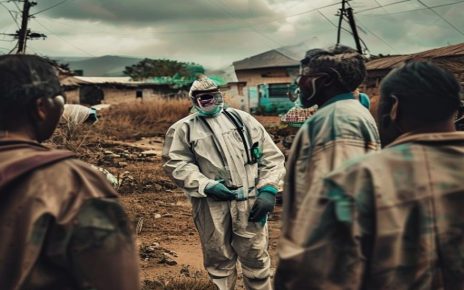
Hantavirus, typically transmitted to humans through contact with rodent droppings, urine, or saliva, is not commonly associated with the highly controlled environment of a cruise ship. This unusual presentation immediately triggered established health protocols. The rapid deployment of resources, including specialized medical transport for passengers returning to the US, and the coordinated efforts between international health authorities for both American and French citizens, underscore a mature global response system designed to prevent wider spread.
The Science of Containment and Reassurance
The emphasis on ‘low risk to the public’ is crucial. Unlike many respiratory viruses, hantavirus is rarely transmitted from person to person, significantly limiting its potential for widespread contagion in such a setting. Public health agencies, including the CDC, leveraged this scientific understanding to inform their messaging, balancing transparent reporting with reassurance – a delicate but vital act in preventing undue panic and fostering trust in health institutions.
Global Mobility Meets Microscopic Threats
Modern travel, particularly on international cruises, exemplifies the ease with which individuals from diverse geographic locations converge and disperse. This inherent mobility means that any pathogen, regardless of its origin, has the potential to travel across borders. The hantavirus cases, though contained, act as a stark reminder that even seemingly isolated health events on a vessel can necessitate a multi-national response, testing the communication channels and cooperative agreements between countries.
Lessons for the Travel Industry
For the cruise industry, still navigating a landscape sensitive to public health crises, such incidents, even those swiftly mitigated, inevitably draw attention to on-board health and safety protocols. While hantavirus prevention isn’t a primary concern for cruise lines, the incident reinforces the continuous need for robust environmental health standards and rapid response mechanisms for any emergent health issue, ensuring passenger confidence in their safety on the high seas.
The Enduring Need for Perpetual Vigilance
In an era defined by global pandemics and the persistent threat of emerging infectious diseases, the hantavirus cases serve as a compelling case study. They demonstrate that while the world may be weary of health scares, the mechanisms for surveillance, diagnosis, containment, and communication remain critically important. It’s a testament to the fact that preparedness isn’t a static state but a continuous, adaptive process, requiring unwavering vigilance from global health bodies, governments, and the public alike.
These cases, far from sparking alarm, should be viewed as an affirmation of the systems in place – a timely, if subtle, reminder that the global health community is constantly at work, quietly safeguarding public well-being against an ever-evolving array of microbial challenges.