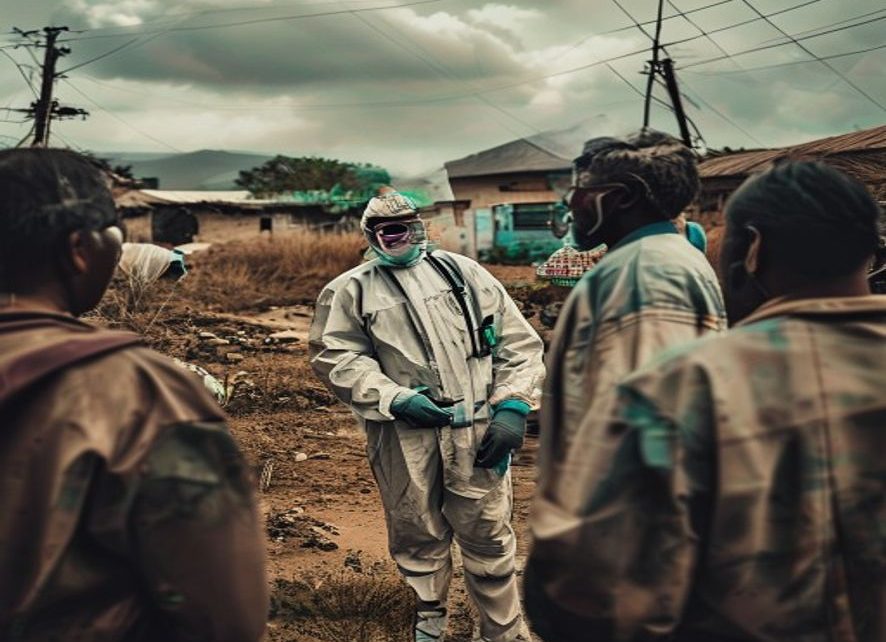
Ebola’s Unchecked Rage in Congo: A Litmus Test for Global Health Security
The recent visit by the World Health Organization (WHO) chief to the heart of the Ebola outbreak in eastern Democratic Republic of Congo (DRC) casts a stark global spotlight on a crisis spiraling out of control. With confirmed cases nearly doubling in days and the response effort consistently outpaced by the virus’s spread, this is not merely a regional tragedy; it represents a significant and escalating threat to global health security, challenging international cooperation, straining humanitarian resources, and exposing the fragility of public health systems worldwide.
A Relentless Foe in a Volatile Land
The figures alone paint a grim picture: a rapid surge in infections, fueled by persistent challenges in containing the virus. But the true impact extends far beyond the statistics. The eastern DRC, a region beset by decades of conflict, political instability, and deep-seated community distrust, presents a uniquely fertile ground for an epidemic. The WHO chief’s plea for safe burials underscores a critical hurdle: cultural practices and misinformation often lead to unsafe handling of deceased victims, becoming super-spreader events that perpetuate the chain of transmission. Attacks on health workers and facilities further cripple containment efforts, demonstrating how geopolitical instability directly undermines global public health.
Beyond Local Borders: The Threat of Regional Contagion
An uncontrolled Ebola outbreak in the DRC does not respect national borders. The active movement of people across porous frontiers to neighboring countries—Rwanda, Uganda, and Burundi—poses an immediate and severe risk of regional spread. Should the virus establish itself in these nations, many of which possess equally vulnerable health infrastructures and similar socio-political challenges, the humanitarian and economic toll would be catastrophic. The potential for a regional epidemic would trigger widespread travel restrictions, trade disruptions, and an immense drain on limited resources, destabilizing an already fragile part of the African continent.
Global Health Security Under Scrutiny
The situation in the DRC serves as a critical stress test for the world’s ability to prevent, detect, and respond to infectious disease threats. The failure to contain Ebola swiftly in a high-risk environment highlights systemic weaknesses in global preparedness. It raises urgent questions about the effectiveness of international health regulations, the speed of vaccine deployment amidst conflict, and the capacity of international bodies like the WHO to mobilize rapid, sustained, and culturally sensitive interventions. Should this outbreak escalate further, it would erode confidence in global disease surveillance and response mechanisms, making the world more vulnerable to future pandemics.
Economic Ripples and Humanitarian Strain
While the immediate economic impact is felt within the affected communities – disrupting local markets, agriculture, and daily life – an uncontained spread would send wider ripples. Fear of contagion could deter investment, impact tourism across the region, and even affect international supply chains if travel and trade routes are significantly altered. Furthermore, the protracted nature of this crisis places an enormous and unsustainable burden on humanitarian aid organizations and donor nations, diverting funds and personnel that could address other pressing global challenges.
The Imperative of Trust and Cooperation
Ultimately, the global impact of the DRC Ebola crisis underscores a fundamental lesson: public health is inextricably linked to social trust and political stability. The WHO chief’s visit is not just about medical supplies; it’s about building bridges of trust with communities, combating misinformation, and ensuring the safety of dedicated health workers. The world watches, not just for the containment of a virus, but for the demonstration of effective international cooperation, ethical intervention, and a shared commitment to human security in the face of complex, multifaceted threats.
The fate of the Ebola outbreak in eastern Congo will resonate far beyond its immediate geographic confines, shaping the narrative of global health for years to come. It stands as a stark reminder that in an interconnected world, a crisis anywhere is a potential threat everywhere.